Writing
Intent:
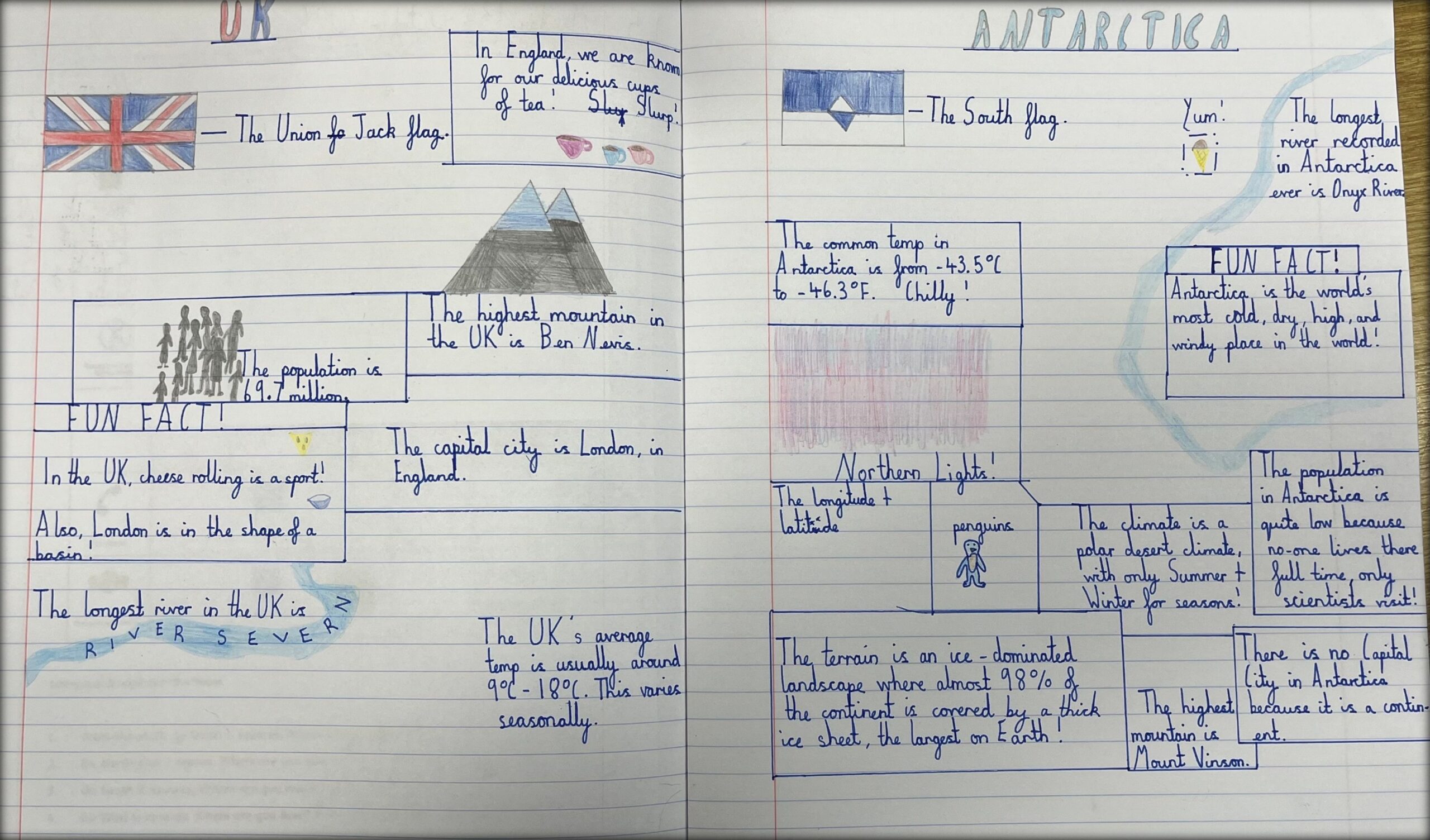
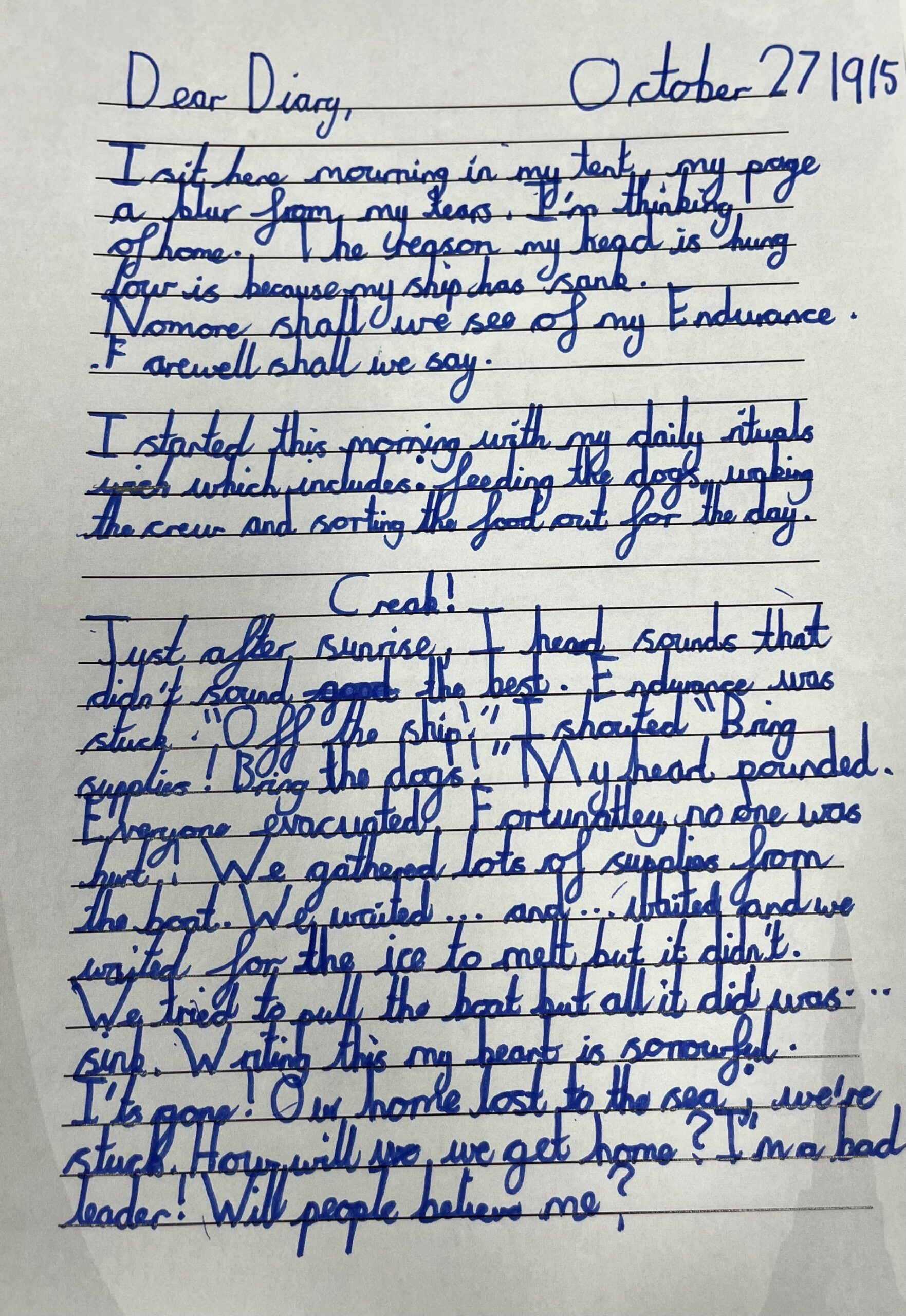
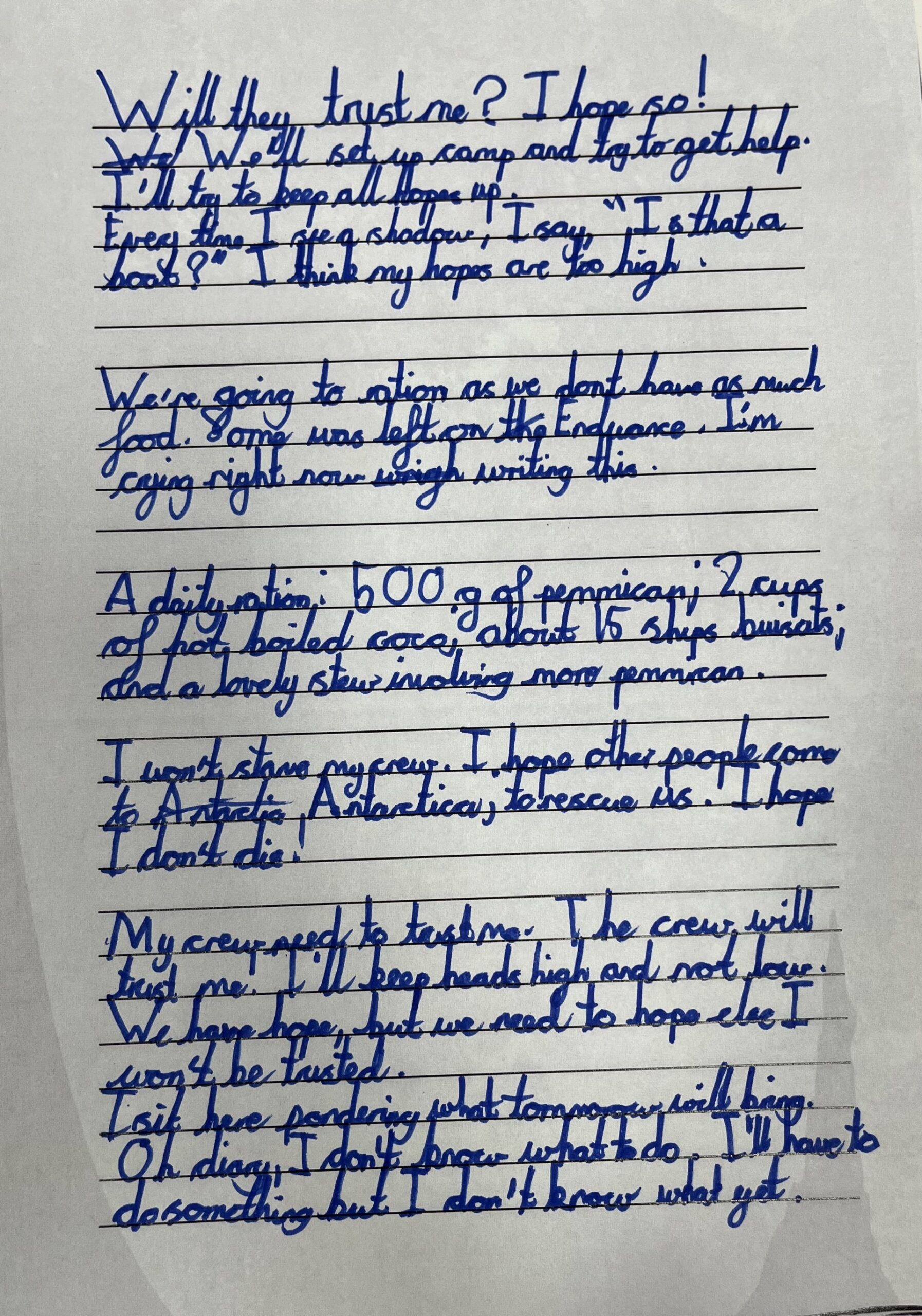
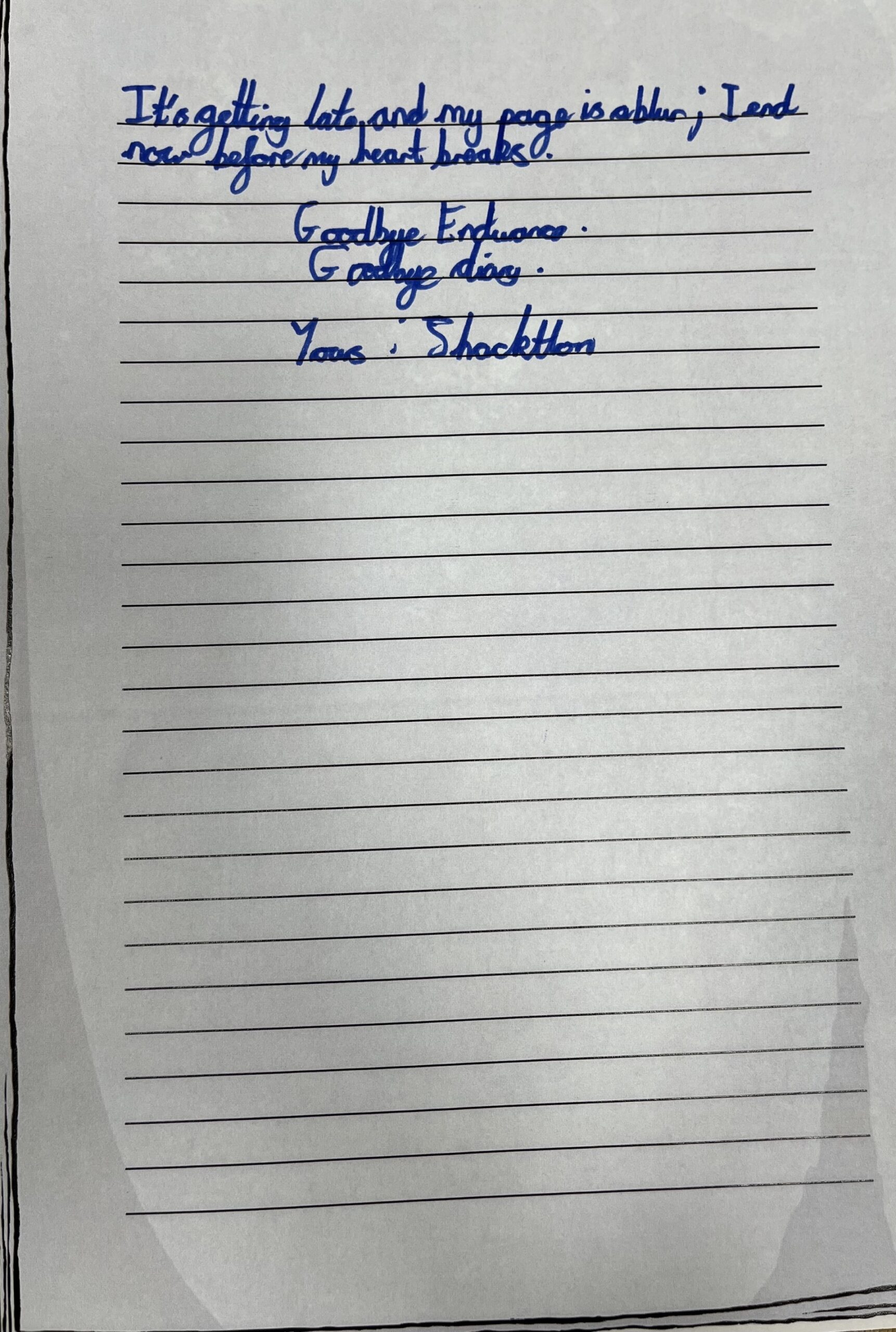
At Linby cum Papplewick C of E Primary School, our intent is to teach children to write with purpose and confidence. We aim to immerse pupils in a rich literary world where they engage deeply with texts and develop a love for writing. Through meaningful contexts, children learn to craft stories, performance poetry, diaries, letters, information texts and writing from a character’s perspective. Our goal is to nurture critical readers and skilled writers who understand audience and purpose.
Implementation:
Our writing curriculum follows a reading-into-writing approach with each unit rooted in the high-quality text being studied. Carefully planned writing opportunities require pupils to write for a range of purposes and audiences giving authenticity and clarity to their work. Each unit follows a clear sequence including exploration of a model text, explicit grammar and vocabulary teaching linked to the writing purpose and structured opportunities for planning, drafting, revising and editing. This approach ensures children develop independence, resilience and pride in their writing. Drama, discussion and oral rehearsal further strengthen pupils’ understanding of text structures and help them shape their ideas before writing.
Impact:
Through this approach, children become confident, articulate writers who can adapt their style for different purposes and audiences. They develop a strong understanding of language, structure, and creativity, enabling them to produce writing that is both accurate and imaginative. Our pupils leave Linby Primary with the ability to critically engage with texts and express themselves effectively, laying a solid foundation for future learning and success.
Assessment:
We use AIR AI alongside teacher judgement to assess pupils’ written work. This combination provides a balanced and accurate picture of each child’s progress. Through these assessments, children receive clear, targeted feedback on areas to develop in their writing. This ensures that every pupil knows their next steps and can continually improve the quality and effectiveness of their work.
Handwriting:
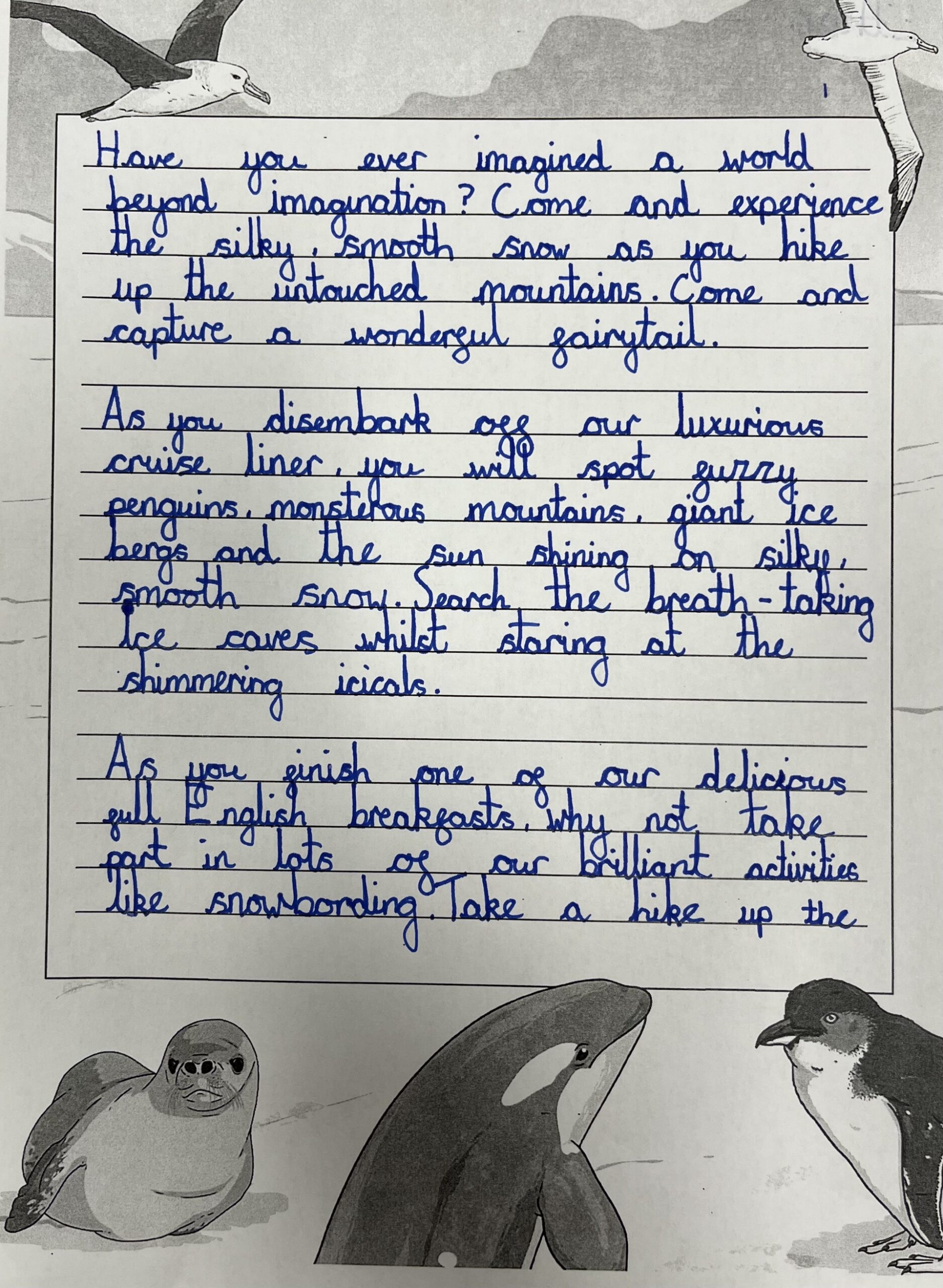
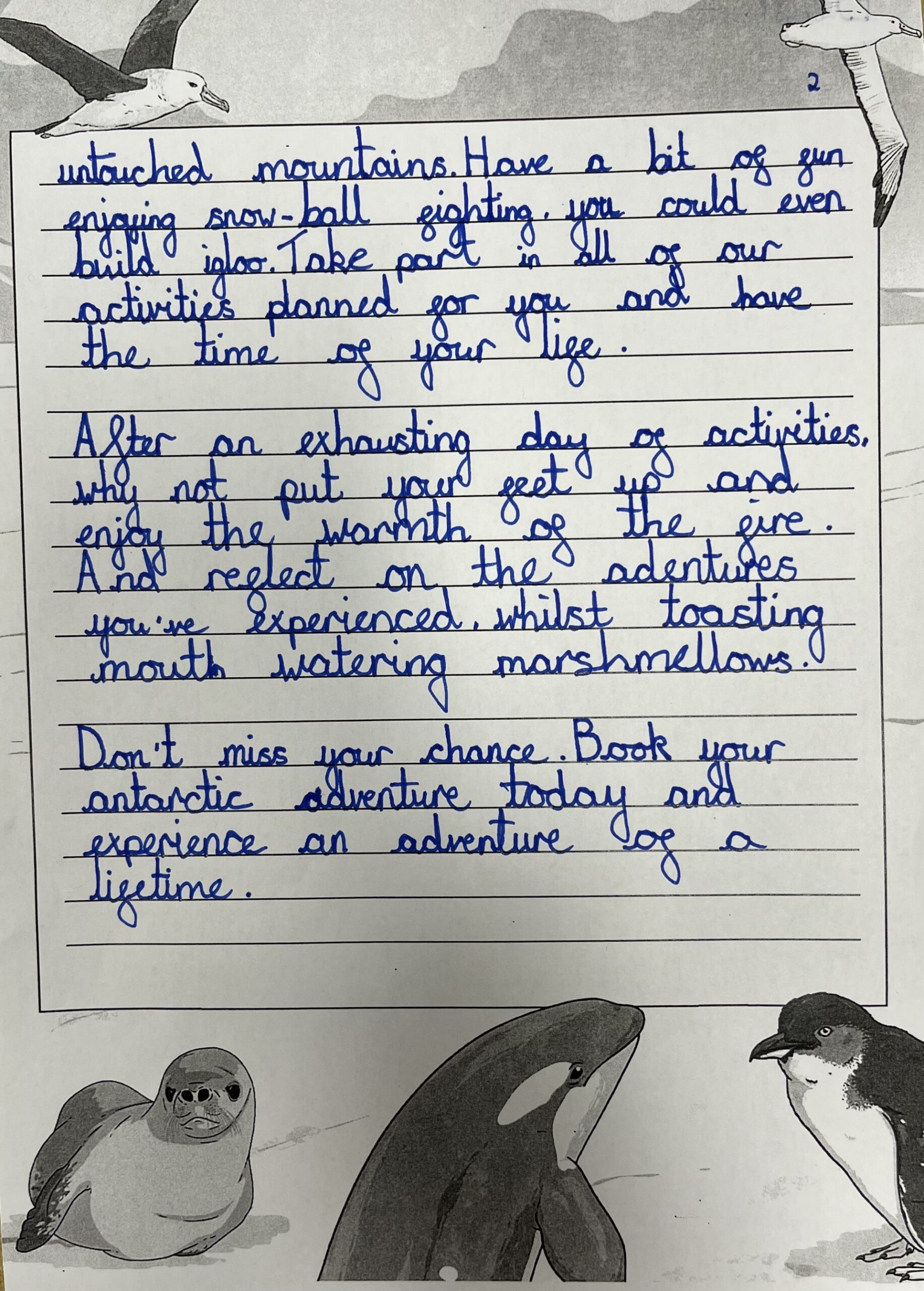
Handwriting is taught from Reception upwards, following guidance from Little Wandle Letters and Sounds. In EYFS, we provide a wide range of opportunities to develop fine motor skills and handwriting practice, as well as mark making and pattern exploration throughout our provision. Pupils are supported to adopt fluent and legible handwriting through fine motor activities, followed by modelled patterns, letters, and digits. Our joined, continuous cursive style is taught explicitly from Year 2, focusing on pose, posture, paper, position, and pressure. This progressive approach is underpinned by research from the National Handwriting Association, enabling pupils to progress seamlessly from printing letters and digits to fluent cursive writing.
Writing Gallery