
Design and Technology
Intent:
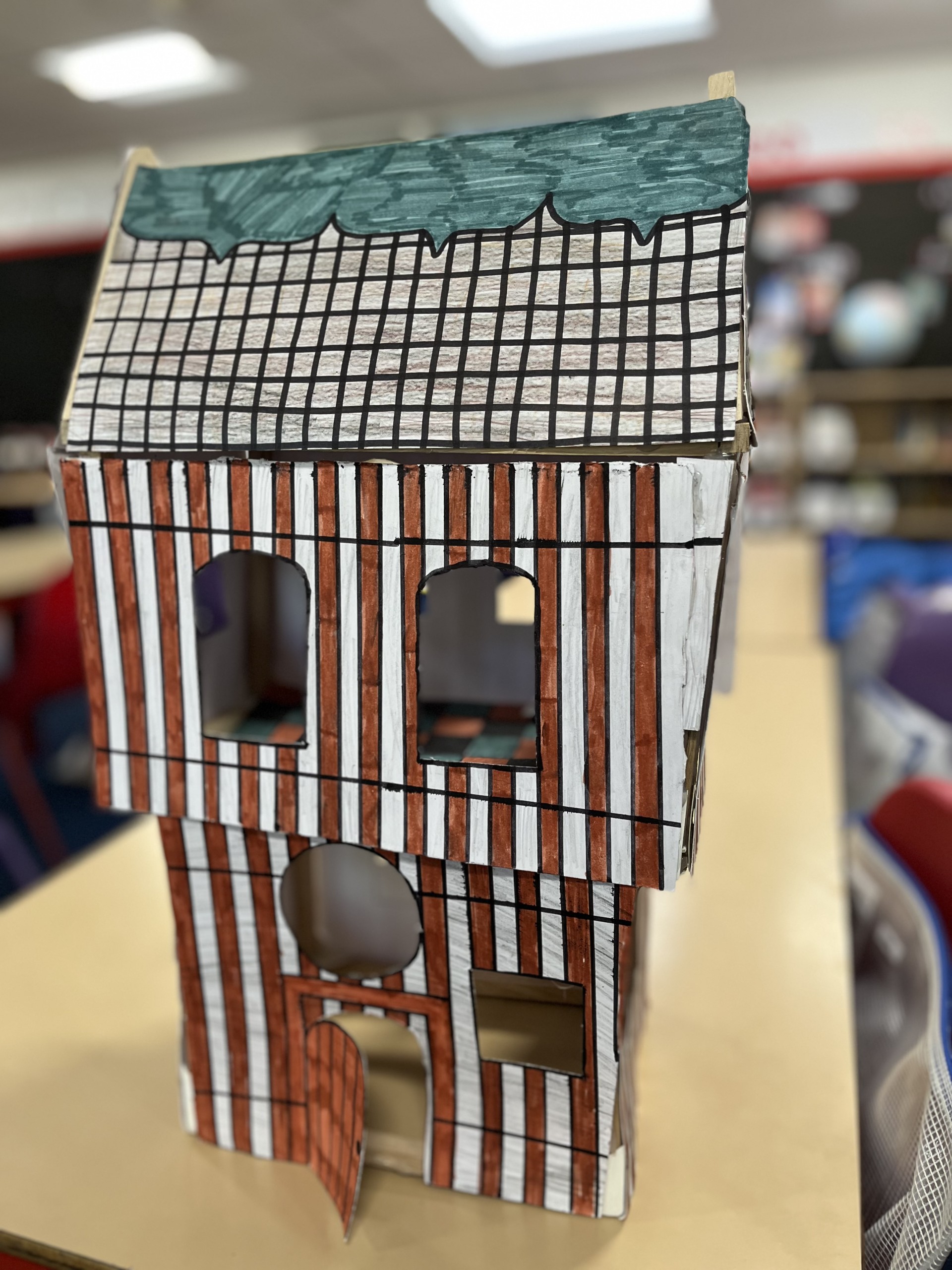
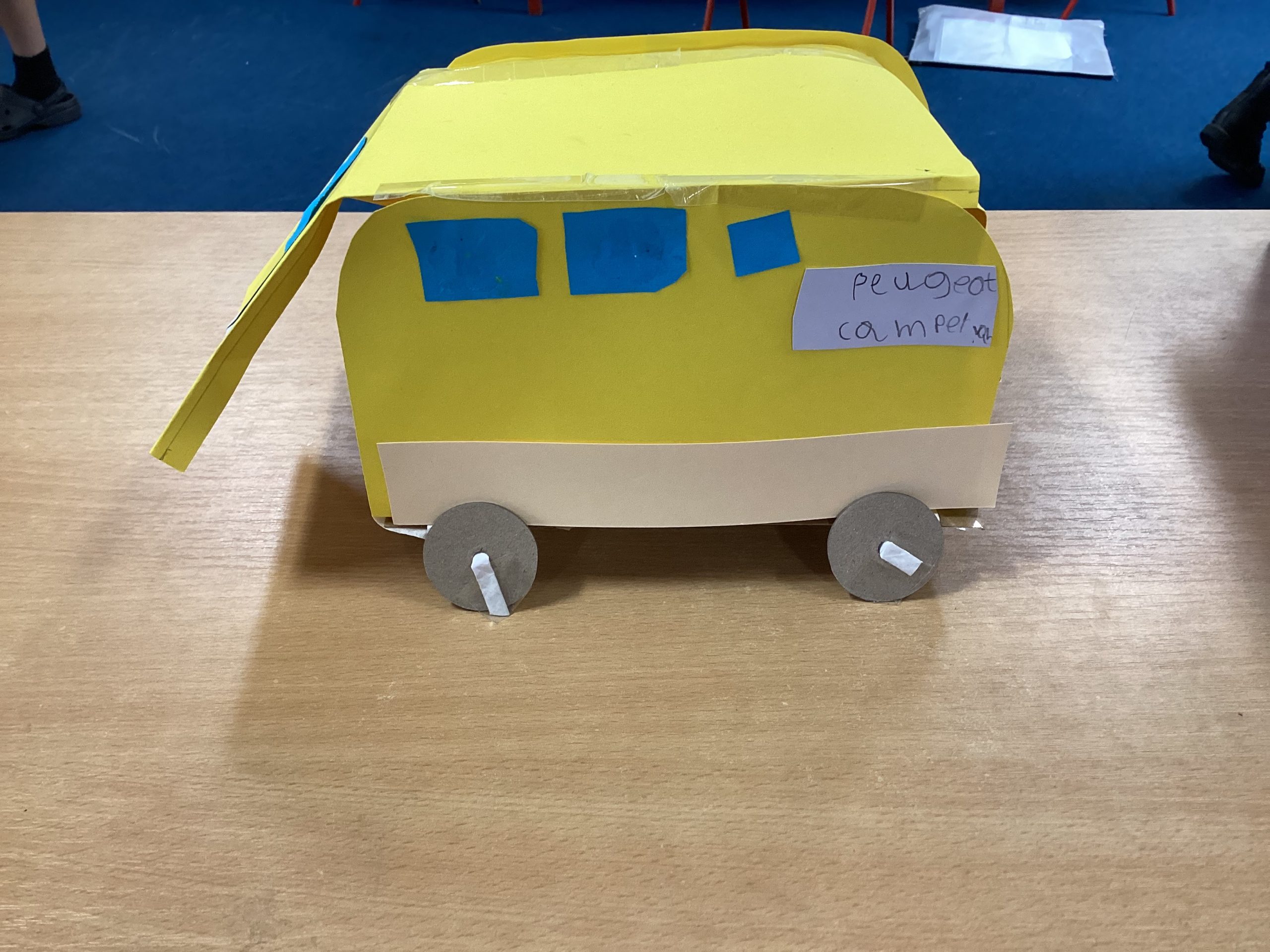
At Linby cum Papplewick C of E Primary School, our desire is for every child to be able to take risks, become resourceful, innovative and enterprising; to use creative thinking and design within a defined purpose. Through a variety of creative and practical activities at Linby cum Papplewick C of E Primary School, children will be taught the knowledge, understanding and skills needed to engage in a process of designing and making. Children will work in a range of contexts through our topic-based approach, which allows for cross curricular links to be made.
Our children develop their skills through collaborative working and problem-solving, following the plan-do-review process. As they implement their design plans, we encourage them to apply their growing knowledge of materials, components, mechanisms, structures and health and safety to create quality products.
Our lesson delivery follows a clear structure of the design process looking at the design and development process, how this design can then be implemented effectively with careful consideration of the tools and skills needed to complete the making of the product balanced with careful evaluation throughout .
At Linby, we provide a variety of opportunities for design and technology learning to take place. In design and technology, children will be challenged to solve problems and develop their learning independently. This allows the children to have ownership over their curriculum and lead their own learning in this subject. They will be encouraged to fully explore the design process, evaluating their work at each stage to ensure that it is of the highest possible quality.
Clear and appropriate cross curricular links to underpin learning in multi areas across the curriculum have been made to give the children opportunities to learn life skills and apply skills to ‘hands on’ situations in a purposeful context.
For every house is built by someone, but God is the builder of everything. Hebrews 3:4
Aims:
Key objectives based on the National Curriculum 2014 guidance:
•Make products for a purpose.
•Children’s design and construction of products should be individual.
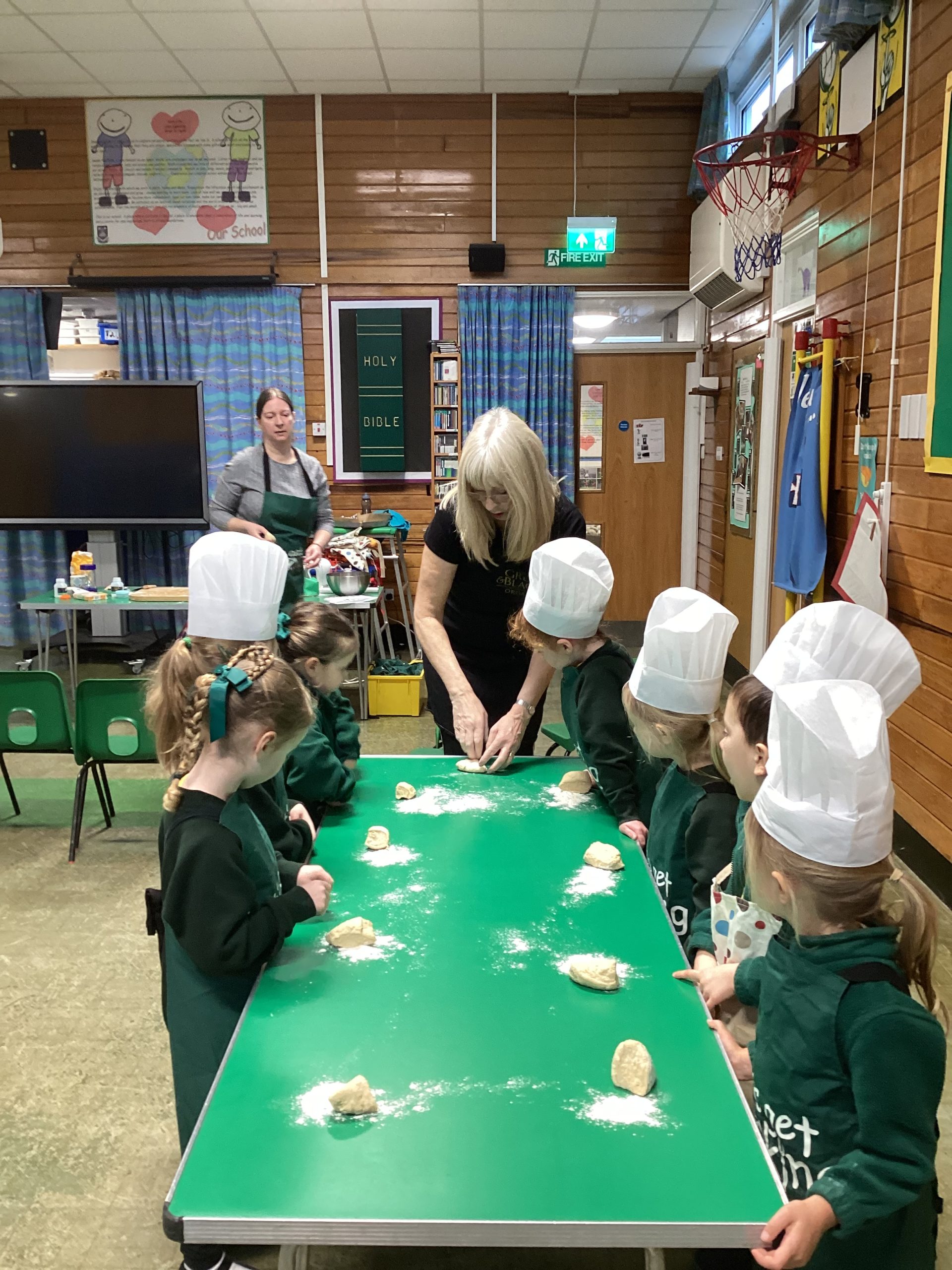
•Children will learn through two strands: Designing and Making and Cooking and Nutrition.
•Children will be able to make on-going changes and improvements during making stages.
•Children will look into seasonality of ingredients and how they are grown, caught or reared.
•Children will research key events and individual designers in KS2.
Christian Values:
Our School Values are dignity, community, hope, wisdom and love. We gain a heart of wisdom in every lesson, in every day. Through Design and Technology, children are able to express their creativity and talents through different approaches and opportunities. Christians believe that life is a gift entrusted by a loving creator God to humankind for a purpose and this purpose is seen as the creative spirit within each person. At Linby cum Papplewick C of E Primary School, we aim to explore, celebrate and enjoy the world in all its mystery and diversity. Through studying a wide range of designers from different cultures and backgrounds, children can begin to appreciate different perspectives.
Implementation:
The acquisition of knowledge and development of technical skills is an integral part of our design and technology lessons. Linked knowledge organisers, which include diagrams and key vocabulary, enable pupils to learn and retain the important, useful and powerful vocabulary and knowledge contained within each unit.
At Linby cum Papplewick C of E Primary, teachers create a positive attitude to design and technology learning within their classrooms and reinforce an expectation that all pupils are capable of achieving high standards.
Our whole school approach to the teaching and learning of design and technology involves the following:
Our Design and Technology lessons are taught over a number of weeks to allow children to acquire a wealth of substantive knowledge as well as learning and embracing unique skills. Our curriculum is progressive. We build upon the learning and skill development of the previous years, which is tested through our ‘start of unit quizzes’ where teachers can identify misconceptions that need addressing.
New vocabulary and challenging ideas are introduced through direct teaching. This is developed through the years, in keeping with the topics.
EYFS
Design and Technology in the foundation stage is addressed through free-flow learning and exploring the world. EYFS teachers will encourage children to explore designing and making materials. Pupils in foundation stage are encouraged to use and discover a variety of tools safely and explore their creativity through continuous provision and showcasing their imaginations through a plan, do, review cycle.
Assessment and Recording of Learning
Assessment in design and technology is carried out by teachers through a variety of formative and summative methods. Start of unit quizzes allow teachers to identify misconceptions prior to the lesson input. End of unit quizzes allow teachers to assess pupil’s progress and attainment in computing. Knowledge organisers are used during every design and technology lessons to aid knowledge retention.
Learning in design and technology is recorded in using the back of Sketch books. These progress through the school with each child, as a personal journey of their design and technology progress.
Impact:
The acquisition of knowledge and development of technical skills is an integral part of our design and technology lessons. Linked knowledge organisers, which include diagrams and key vocabulary, enable pupils to learn and retain the important, useful and powerful vocabulary and knowledge contained within each unit.
At Linby cum Papplewick C of E Primary, teachers create a positive attitude to design and technology learning within their classrooms and reinforce an expectation that all pupils are capable of achieving high standards.
Our whole school approach to the teaching and learning of design and technology involves the following:
Our Design and Technology lessons are taught over a number of weeks to allow children to acquire a wealth of substantive knowledge as well as learning and embracing unique skills. Our curriculum is progressive. We build upon the learning and skill development of the previous years, which is tested through our ‘start of unit quizzes’ where teachers can identify misconceptions that need addressing.
New vocabulary and challenging ideas are introduced through direct teaching. This is developed through the years, in keeping with the topics.
